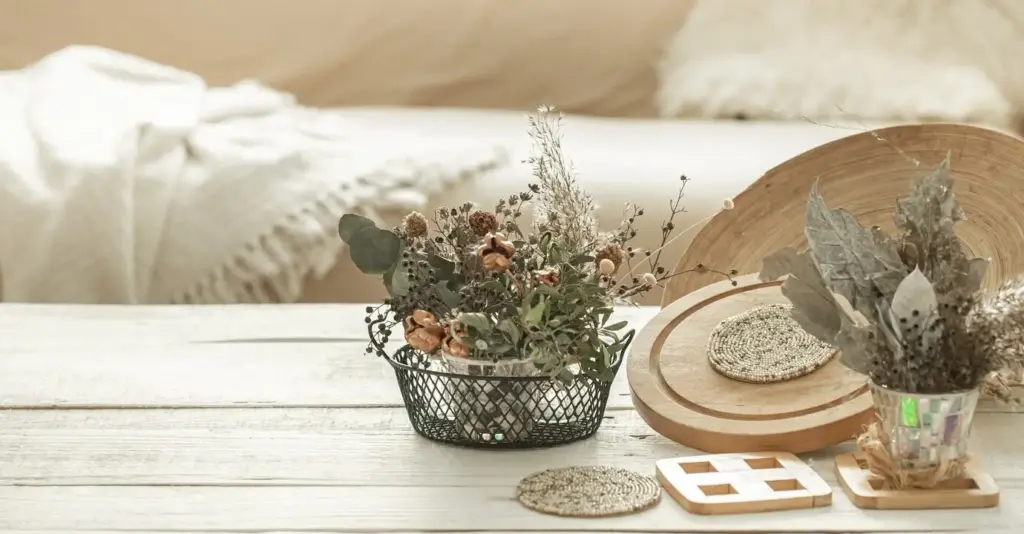
Crafting a Home That Tells a Greener Story

Today we explore Storycrafted Eco Home Style and Care, weaving personal narratives with low-impact choices so every room reflects who you are and how gently you live. Expect practical steps, honest anecdotes, and science-backed guidance that help your space feel soulful, resilient, and nourishing without sacrificing beauty, comfort, or everyday ease.

Roots and Reasons

When your space reflects your lived stories and environmental values, daily decisions simplify and satisfaction deepens. Storycrafted Eco Home Style and Care begins by clarifying what matters most, then aligning design, purchasing, and upkeep with those priorities. The result is a calmer, kinder household where beauty supports behavior change and responsibility feels natural.

Identify Your Home’s Narrative Arc

Start with a simple map of memories, routines, and aspirations, then translate those insights into spatial intentions. Where do you gather, decompress, create, or connect? This reflection avoids impulse purchases and instead guides focused improvements that honor personal history while establishing sustainable, daily patterns everyone in the home can actually maintain.

Set Values-Based Design Constraints

Create clear rules that reduce decision fatigue: secondhand first, certified materials when new, repairable over disposable, timeless over trendy, local whenever feasible. Constraints sharpen creativity, reveal authentic style, and prevent waste. Share your rules with loved ones, so collaboration strengthens commitment and keeps projects aligned when choices get overwhelming or urgent.

Build a Moodfolio From Reclaimed Sources

Gather textures, colors, and references sourced from what you already own, local salvage shops, and nature walks. Photograph patinas and shadows, pin fabric scraps, and sketch layouts. A moodfolio grounded in what is available and meaningful encourages realistic planning, reduces needless consumption, and surfaces design threads that feel grounded and lasting.

Materials With Memory

Materials tell stories through age, origin, and performance. Favor reclaimed wood, plant-based textiles, and low-VOC finishes that protect health while maturing gracefully. Research certifications, ask vendors for traceability, and consider whole-life costs. Choosing durable, repairable materials preserves character, saves money over time, and anchors your home in responsible, transparent stewardship.

Reclaimed Wood and Responsibly Harvested Timber

Old-growth grain rescued from barns or factories offers depth new lumber cannot match, while FSC-certified timber ensures responsible forestry when fresh boards are needed. Stabilize and seal thoughtfully, celebrate imperfections, and track sources. These choices reduce demand for virgin resources, honor craftsmanship, and bring warm, tactile history into everyday routines gracefully.

Natural Fabrics That Live Well

Opt for organic cotton, linen, hemp, or TENCEL for breathability and longevity. Avoid harsh treatments; pre-wash to test drape and colorfastness. When possible, choose undyed or low-impact dyes. Natural fabrics age beautifully, resist pilling, and invite light maintenance rituals that keep fibers strong, encouraging a slower, more mindful approach to care.

Finishes That Breathe, Not Off-Gas

Low- or zero-VOC paints, mineral pigments, soap finishes, and hardwax oils support indoor air quality and tactile warmth. Verify third-party certifications and wait for full cure times. Investing patience here protects health, preserves finishes longer, and aligns with a home that feels alive, breathable, and welcoming even during seasonal humidity shifts.

Rooms That Speak Clearly

Every room can express your values through layout, light, and rituals. Start with function, then layer textures, plants, and story-rich objects. Design for easy cleaning and flow, not just photos. When rooms communicate purpose confidently, clutter recedes and sustainable habits become pleasant, repeatable, and resilient to busy weeks or guests.

Care That Extends Life

Sustainability thrives when maintenance is simple, scheduled, and satisfying. Treat care as companionship with your home: gentle routines, seasonal checklists, and mindful fixes. Green cleaners, preventative inspections, and community tool sharing reduce costs, protect health, and keep beloved objects functional longer, strengthening the emotional bond that discourages disposable habits impulsively.

Curate a Meaningful Shelf, Not a Cluttered One

Choose three to five items per shelf: a mended bowl, a travel sketch, a small hand-thrown vase. Leave breathing room. Rotate seasonally and note why each piece matters. Editing highlights significance, simplifies dusting, and teaches children discernment, anchoring taste in values rather than constant acquisition or purely decorative impulses.

Upcycle With Craft, Not Compromise

Approach transformations with design intention: refinish a dresser with natural oil, reupholster chairs in durable linen, or turn cabinets into benches. Measure precisely and respect joinery. When upcycling honors structure and function, results feel refined, not makeshift, proving sustainability can look elevated while saving resources and preserving inherited character meaningfully.

Community, Circularity, and Joy

A storycrafted eco home thrives in community. Share tools, swap materials, commission local artisans, and trade skills. Circular systems reduce waste while nurturing belonging. As relationships deepen, accountability becomes friendly, inspiration multiplies, and your home evolves through collaboration, not isolation, inviting others to participate in gentler, more imaginative everyday living.
Kuzoxivutumomozorerunuzo
Privacy Overview

This website uses cookies so that we can provide you with the best user experience possible. Cookie information is stored in your browser and performs functions such as recognising you when you return to our website and helping our team to understand which sections of the website you find most interesting and useful.